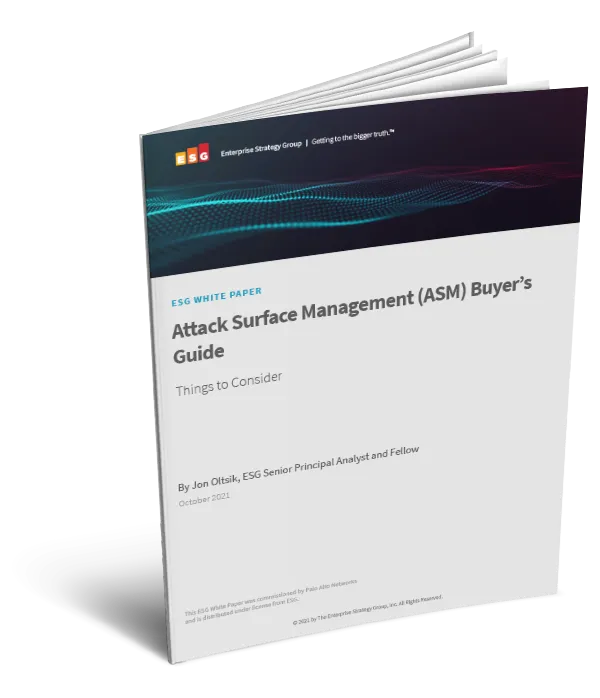
White Paper

Attack Surface Management Buyer’s Guide

Attack Surface Management Buyer’s Guide

Approach ASM with a Plan Attack surface management (ASM) solutions are used by organizations to discover, analyze, categorize and manage externally facing assets. By doing so, security teams gain an outside-in view of their assets, emulating an attacker’s perspective of the organization’s attack surface. This can help security teams identify any vulnerable, exposed assets that […]

Attack Surface Management Buyer’s Guide Read More »
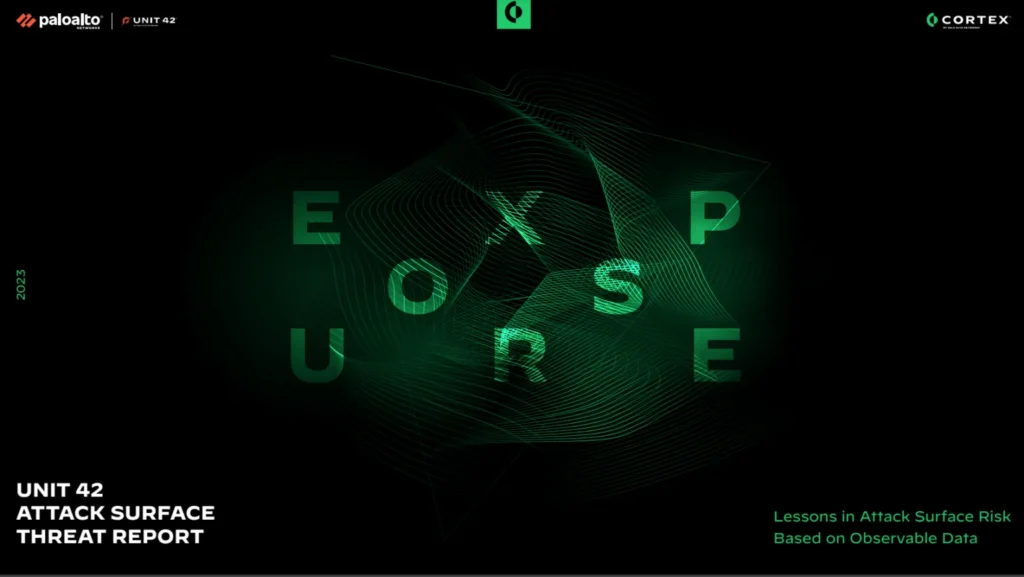
UNIT 42 ATTACK SURFACE THREAT REPORT

UNIT 42 ATTACK SURFACE THREAT REPORT

Unknown assets and cloud dynamism create attack surface risks for all organizations. Understanding these exposures helps security teams shrink their attack surface to proactively secure their organization. The following findings offer insights into these exposures accessible via the internet, gathered from extensive exposure and threat data collected over 12 months with Cortex Xpanse. Download to

UNIT 42 ATTACK SURFACE THREAT REPORT Read More »

How organizations use business analytics to meet key goals

How organizations use business analytics to meet key goals

Increasingly, business and IT teams are joining forces to innovate, boost organizational efficiency, and help their organizations remain competitive. That’s because technology has had a growing impact on business goals. As a result, business and IT units cannot be siloed or use siloed data if they want to achieve the organization’s goals. By connecting business

How organizations use business analytics to meet key goals Read More »

Delivering seamless digital experiences with AI

Delivering seamless digital experiences with AI

The digital experiences you deliver to customers, employees, and partners are key differentiators and drivers of business value. But the complex web of technologies underpinning those interactions have become nearly impossible to manage. Simplifying this complexity and delivering seamless digital experiences takes the right combination of digital experience monitoring (DEM) and AI. Read this free

Delivering seamless digital experiences with AI Read More »

The Value of Investing in Mental Health & Mindfulness

The Value of Investing in Mental Health & Mindfulness

Prioritizing employee mental health has never been more important. Research published in The Lancet showed how the COVID-19 pandemic and its secondary impacts heightened mental health conditions for people worldwide, causing anxiety and depression disorders to increase by more than 25% in the first year. This increase in mental health challenges for employees can result

The Value of Investing in Mental Health & Mindfulness Read More »

The Hidden Costs of Poor Employee Mental Health: Five Considerations for Choosing a Valuable Mental Healthcare Offering

The Hidden Costs of Poor Employee Mental Health: Five Considerations for Choosing a Valuable Mental Healthcare Offering

While many employers see the costs of employee mental health as medical claims and prescription spend, in reality, poor mental health can also result in less engaged teams, lower productivity, and higher costs for employers. In order to create cost savings for an organization— and improve employee health and happiness — employers can invest in

The Hidden Costs of Poor Employee Mental Health: Five Considerations for Choosing a Valuable Mental Healthcare Offering Read More »

The Business Case for Investing in Mental Health

The Business Case for Investing in Mental Health

Supporting mental health and wellbeing has become a workplace imperative. The combination of the growing need for mental health services in the aftermath of the pandemic and the current economic environment is leaving benefits buyers in a tough position. With mental health spending increasing year over year and every benefit dollar being scrutinized, how can

The Business Case for Investing in Mental Health Read More »

Taking Your EAP into the 21st Century: 4 Key Features to Support Today's Employees

Taking Your EAP into the 21st Century: 4 Key Features to Support Today’s Employees

Many employers offer an Employee Assistance Program (EAP) in an effort to improve mental health. However, traditional EAPs can see utilization rates as low as 3-59% – meaning employees are not getting the support they need to live happier, healthier lives. How can organizations provide the solutions that meet employees where they are? Employers today

Taking Your EAP into the 21st Century: 4 Key Features to Support Today’s Employees Read More »