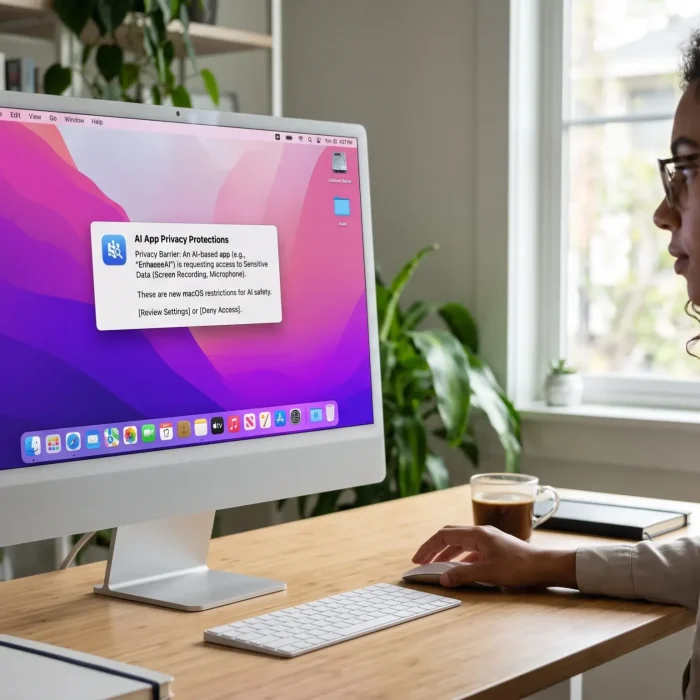








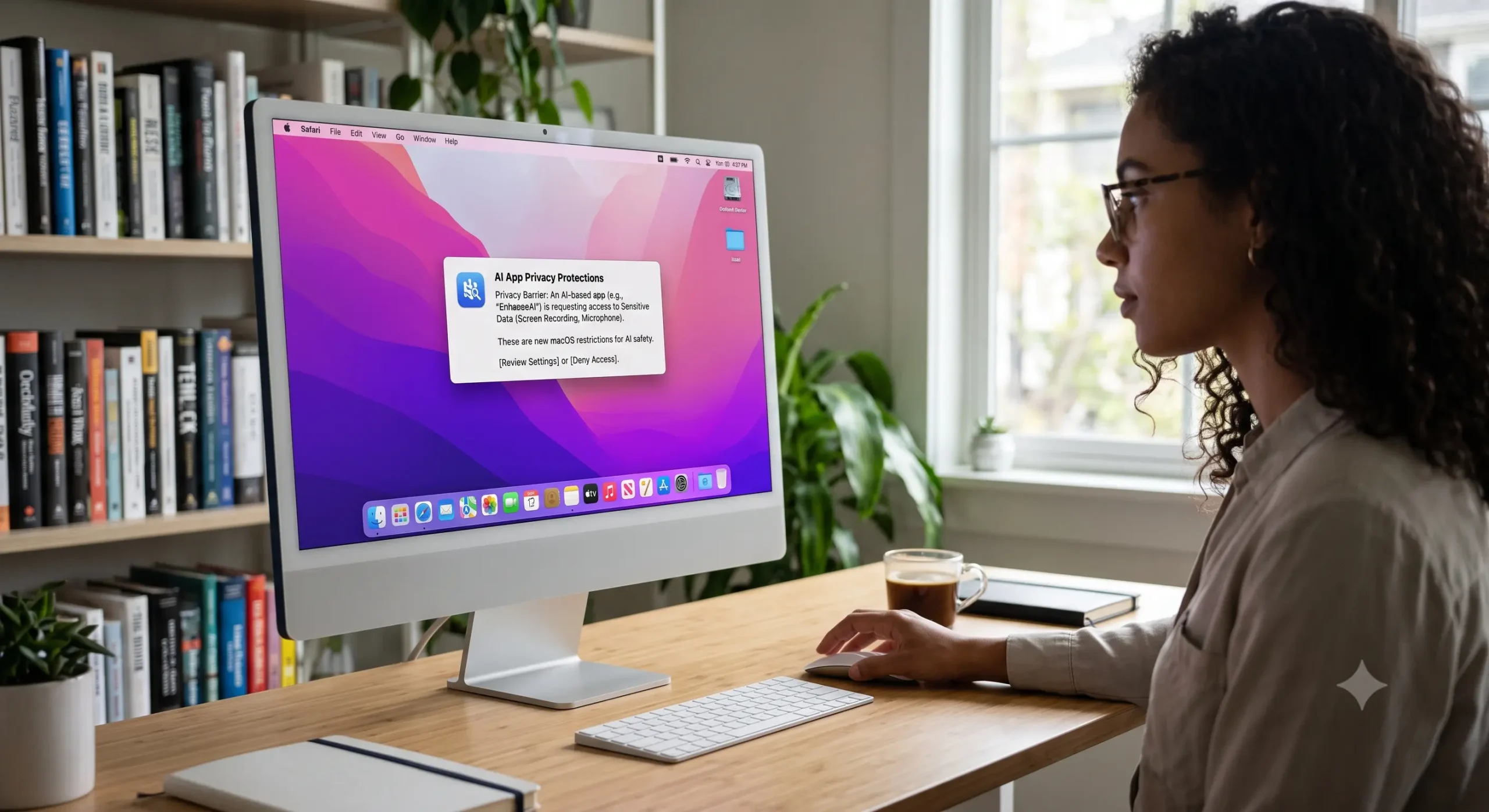
AI assistants are becoming much more capable on desktop computers, but that extra power also brings a bigger privacy challenge. Apple is now preparing to tighten how Mac applications can receive access to sensitive files and personal information.
The company has announced additional safeguards around macOS’s Full Disk Access permission, a powerful setting that can give applications access to a broad range of information stored on a Mac. Apple says the growing capabilities of AI agents have made stronger protections increasingly important.
Why Full Disk Access Matters
Full Disk Access was originally intended to help certain applications perform tasks that require broad access to a computer, including backup software. However, the permission can extend far beyond ordinary documents.
Depending on the circumstances, applications with this access can potentially reach files, emails, messages and browser history. That makes the permission particularly significant when it is granted to AI-powered applications that can independently perform actions on a user’s computer.
The issue gained attention after Inc. columnist Jason Aten reported that Meta’s Muse app appeared to know the contents of his private messages, despite his claim that he had not authorized the AI agent to access them. Meta disputed the claim, but the incident highlighted broader questions about how desktop AI applications handle private information.
AI Agents Change the Privacy Equation
Traditional applications generally perform specific tasks after receiving permission. AI agents can operate more dynamically, interacting with files, applications and other information on a user’s computer.
That difference is important. Giving an AI agent extensive system privileges could potentially provide it with access to much more information than a user expects.
Apple warned developers that some applications are using Full Disk Access in ways that could expose large amounts of personal data without users fully understanding what they are permitting.
The company also pointed to the broader challenge created by increasingly autonomous AI systems. As these agents become more capable, the consequences of granting them powerful system permissions can become more significant.
Apple Wants More Explicit User Consent
Apple says its upcoming changes will introduce additional controls around Full Disk Access. The goal is to make sure people who genuinely want to provide an application with this level of access take a much more explicit action before doing so.
The move follows another recent security concern involving desktop AI software. A Wired report highlighted a vulnerability in the Mac version of ChatGPT that could potentially have exposed sensitive information.
For Mac users, the message is becoming increasingly clear: AI convenience should not automatically mean unrestricted access to personal data.
As AI agents move from simply answering questions to actively operating computers, permission systems will need to evolve alongside them. Apple’s planned changes represent another step toward making users more aware of exactly what they are giving an AI application permission to see and do.
The bigger question now is whether other operating systems and AI developers will introduce similar safeguards as autonomous desktop agents become more common.