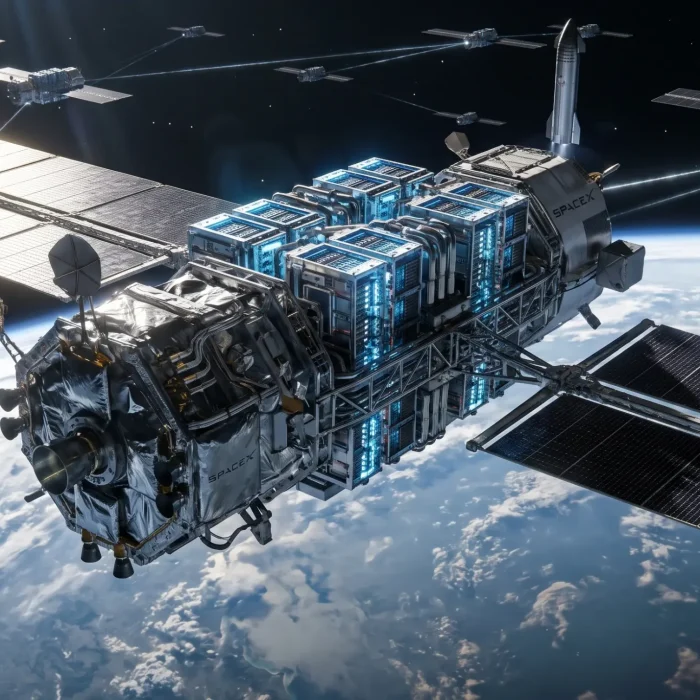









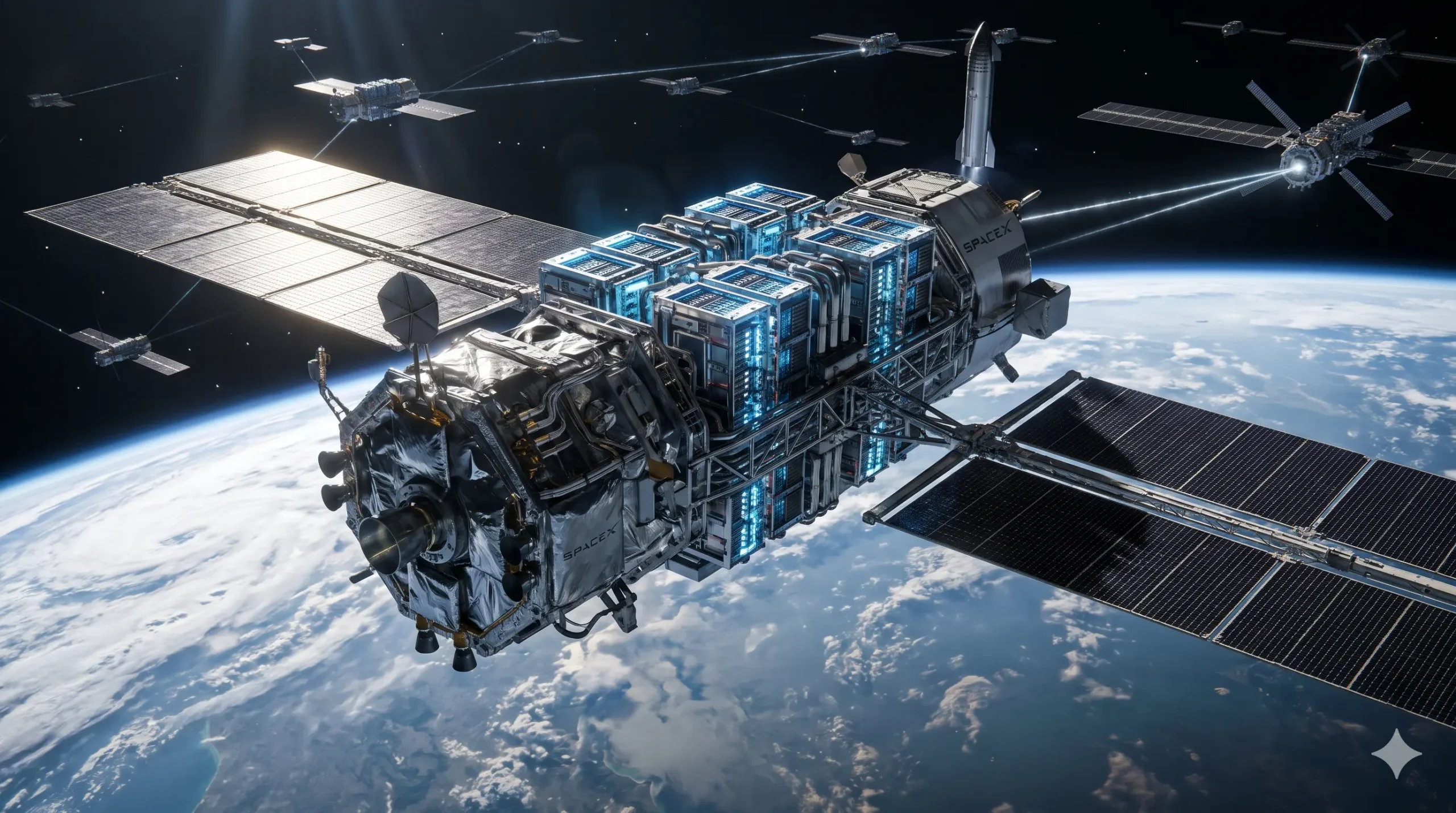
The future of artificial intelligence infrastructure could extend far beyond Earth. SpaceX has received a major regulatory breakthrough after the U.S. Federal Communications Commission (FCC) conditionally approved its proposal to launch as many as 1 million satellites to support an ambitious orbital data center network.
The decision, announced on Wednesday, November 25, marks an important step in Elon Musk’s vision of moving some of the computing infrastructure needed for AI operations into space. However, while the approval gives SpaceX an opportunity to move forward, turning this ambitious concept into a working system will require overcoming several significant challenges.
A New Direction for AI Infrastructure
As AI models become more advanced, companies are investing heavily in data centers that require enormous computing power, electricity, and cooling systems. SpaceX believes that placing data centers in orbit could eventually offer a different approach to supporting the growing demand for AI computing.
The proposed satellite network, called Starmind, would operate at altitudes between 500 and 1,002 kilometers above Earth. Instead of depending entirely on traditional ground-based communication systems, these satellites would primarily use laser connections to communicate with one another and link with SpaceX’s existing Starlink network.
The FCC’s authorization also allows SpaceX to use radiofrequency communications to maintain control of its orbital computing satellites from Earth if their primary communication systems experience failures.
Not Everyone Supports the Plan
Although the FCC decision is a significant win for SpaceX, the proposal has attracted criticism from several major organizations.
Amazon, Viasat, and the American Astronomical Society raised concerns about the potential consequences of deploying such a massive satellite network. Their objections include orbital congestion, space debris, radio interference, and possible environmental impacts.
Amazon, which is developing its own satellite internet network to compete with Starlink, questioned whether SpaceX had provided enough technical information to support its proposal. The company argued that the application presented an ambitious vision without explaining how the project would realistically work.
Despite these objections, the FCC moved forward with conditional authorization. The agency also dismissed certain concerns related to scientific research, determining that some of those issues were outside its regulatory responsibilities.
FCC Chairman Brendan Carr described the decision as an opportunity to expand the computing infrastructure needed to strengthen America’s technological position.
Elon Musk also welcomed the announcement, thanking Carr through a post on X and describing the project as a valuable development for America and the wider world.
Major Technical and Financial Obstacles Remain
Receiving regulatory approval does not mean SpaceX can immediately begin operating AI data centers in orbit.
The company still needs to solve several complicated engineering and financial problems before the concept becomes commercially practical.
One major challenge is the cost of manufacturing and launching potentially millions of satellites. Building powerful computing systems for space will also require specialized hardware capable of operating in extreme conditions.
Cooling is another important concern. AI processors generate substantial heat, and managing that heat in space presents different engineering challenges compared with traditional data centers on Earth.
Financing is also a major consideration, particularly when expensive AI chips and computing equipment must be sent into orbit rather than installed in conventional facilities.
SpaceX must additionally address regulatory requirements concerning the disposal of satellites after their operational life ends.
Space Debris Rules Still Need Attention
One of the biggest unresolved regulatory questions involves how SpaceX plans to handle retired satellites operating above 600 kilometers.
Existing FCC regulations generally require satellites completing their missions below 2,000 kilometers to reenter Earth’s atmosphere within five years.
SpaceX has requested permission to follow alternative disposal arrangements, potentially moving some retired satellites into different Earth orbits or even into orbits around the Sun.
The FCC has not yet approved this particular request, meaning additional regulatory decisions will be necessary before the entire project can proceed as envisioned.
What Happens Next?
The FCC has provided SpaceX with a relatively long development window. Under the conditional approval, the company has seven years to launch its first operational satellite and up to 14 years to complete the deployment of the entire constellation.
These timelines give SpaceX considerable flexibility to develop the required technology, secure financing, and address outstanding regulatory concerns.
Final Thoughts
SpaceX’s orbital data center proposal represents an unusual but potentially important direction for the future of AI infrastructure. If successful, it could introduce a new way of delivering computing resources beyond traditional data centers.
However, the difference between receiving regulatory permission and building a reliable, economically viable satellite-based computing network is enormous.
For now, the FCC’s decision gives Elon Musk’s space-based AI ambitions a major boost, but the real test will be whether SpaceX can turn this ambitious vision into practical technology.