






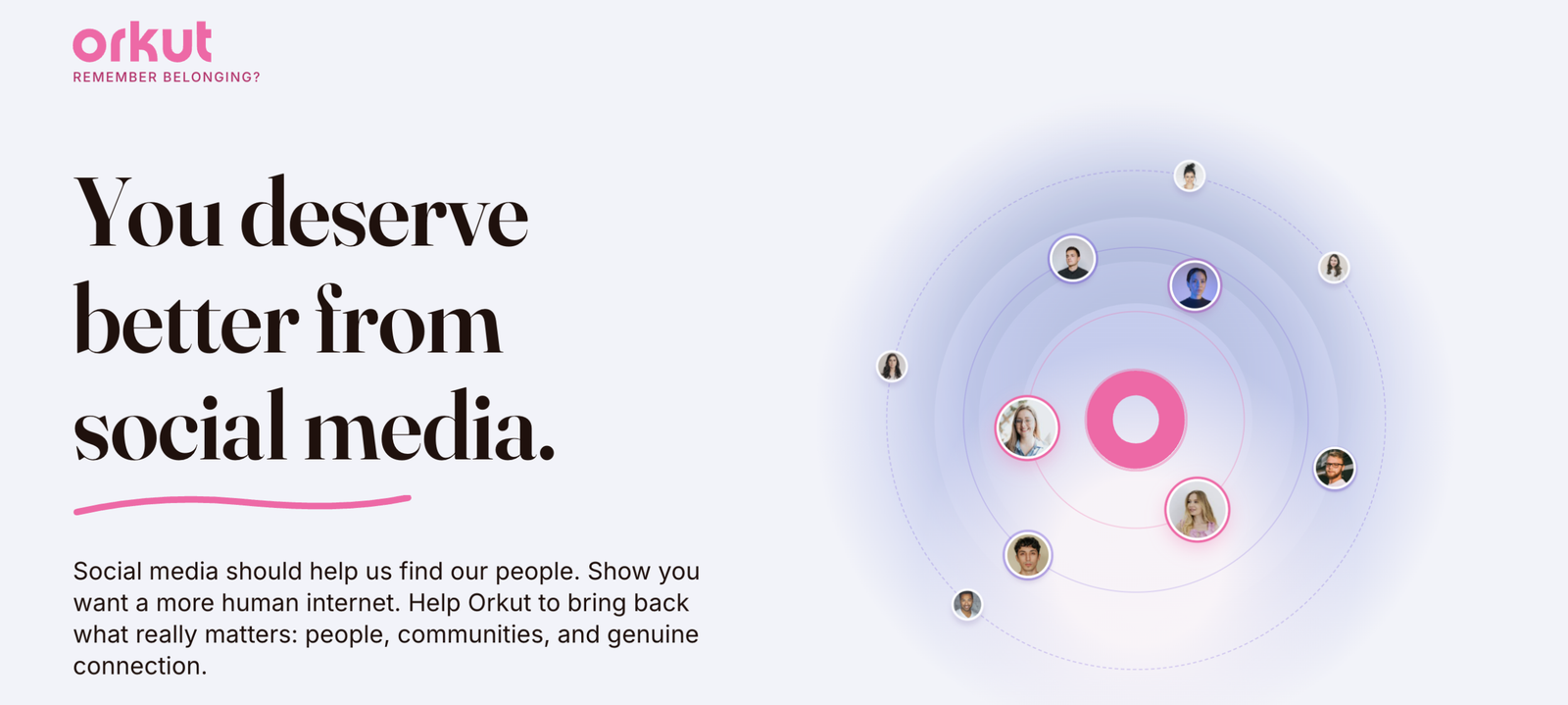
Remember the days when social media was all about connecting with friends, sharing updates, and discovering new communities? Before Instagram feeds, TikTok videos, and AI-generated content dominated the internet, Orkut was one of the most popular places for people to socialize online. Now, its founder is exploring the possibility of bringing the platform back.
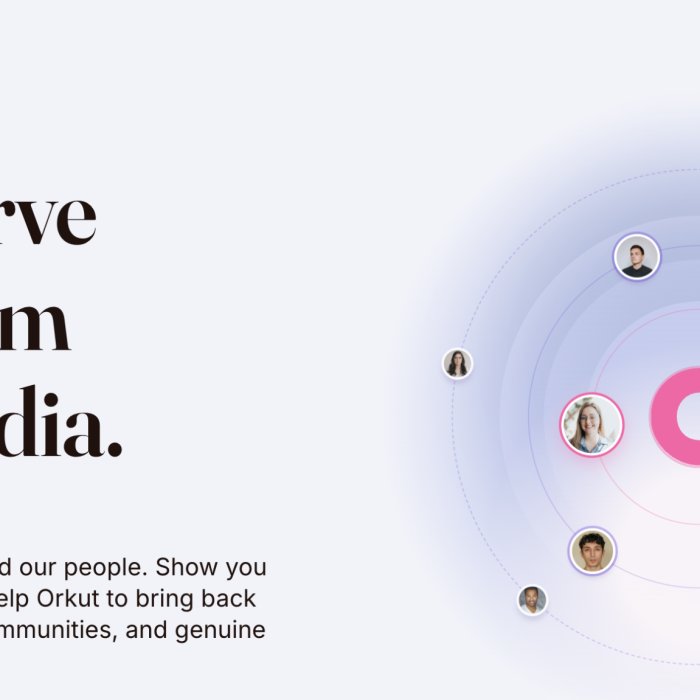
Orkut Büyükkökten, the creator of the once-famous social networking website, has invited former users and new supporters to show their interest in its potential return. His goal is to bring back the kind of online experience that prioritizes genuine friendships, meaningful conversations, and a sense of belonging.
A Call to Bring Back a Social Media Classic
Büyükkökten recently shared a message on X encouraging people to visit Orkut.com, register their support for the platform’s comeback, and invite others to do the same. While this initiative has sparked interest among people who remember the original network, there is still no official confirmation that a relaunched version is currently under development.
The announcement has renewed attention around a platform that played an important role in the early days of social networking, particularly in India and Brazil.
How Orkut Became an Internet Favorite
Orkut launched in 2004 as a side project created by Büyükkökten while he was working at Google. It quickly developed a large user base, attracting people who wanted to meet new friends, join interest-based communities, share testimonials, and connect with people they knew.
For many Indian internet users, Orkut was more than just a website. It was a place to discover communities, participate in discussions, customize profiles, and stay connected with friends before today’s social media platforms became mainstream.
Despite its popularity, Orkut eventually lost ground to Facebook and other emerging services. Google officially discontinued the platform in September 2014, bringing an end to a significant chapter in internet history.
Why Its Founder Believes Social Media Needs a Change
In a letter published on Orkut.com, Büyükkökten reflected on how online social experiences have changed over the last two decades. He expressed concerns about algorithm-driven feeds and the growing presence of AI-generated content.
His central argument is that social networking should preserve the human element that made it valuable in the first place. Although artificial intelligence offers impressive capabilities, he believes technology should help people connect rather than make online interactions feel increasingly artificial.
His vision involves creating an internet experience built around authentic people, real relationships, and communities where users genuinely feel included.
This perspective arrives at a time when many social platforms prioritize engagement, recommendations, and automated content distribution. A potential Orkut revival could explore whether a more community-focused approach can attract users who are looking for something different.
Previous Attempts to Build a New Community
The idea of returning to social networking is not new for Büyükkökten. In 2016, he launched Hello, another platform designed to connect people through shared interests and passions. The service reportedly accumulated more than two million downloads worldwide before shutting down in 2020.
Later, in 2022, he posted a message on Orkut.com suggesting that he was working on something new. In a 2024 interview with WIRED, he also discussed developing a social network that would use AI and machine learning to help people form connections and build communities. However, that project has not yet launched.
What Could Happen Next?
For now, the proposed comeback remains uncertain. Büyükkökten has asked people to register their interest, but he has not announced a launch date, shared product features, or confirmed whether development of a new Orkut platform is underway.
If it returns, the biggest challenge will be competing in a social media landscape dominated by established platforms with enormous audiences. Nostalgia may bring former users back initially, but delivering a compelling experience will be essential to keeping them engaged.
The bottom line: Orkut’s possible comeback raises an interesting question: Can social media become more personal again? Its founder appears interested in bringing the focus back to real people and meaningful communities. Whether that vision becomes a new platform or remains an idea, the renewed interest in Orkut highlights the continuing desire for more authentic online connections.