








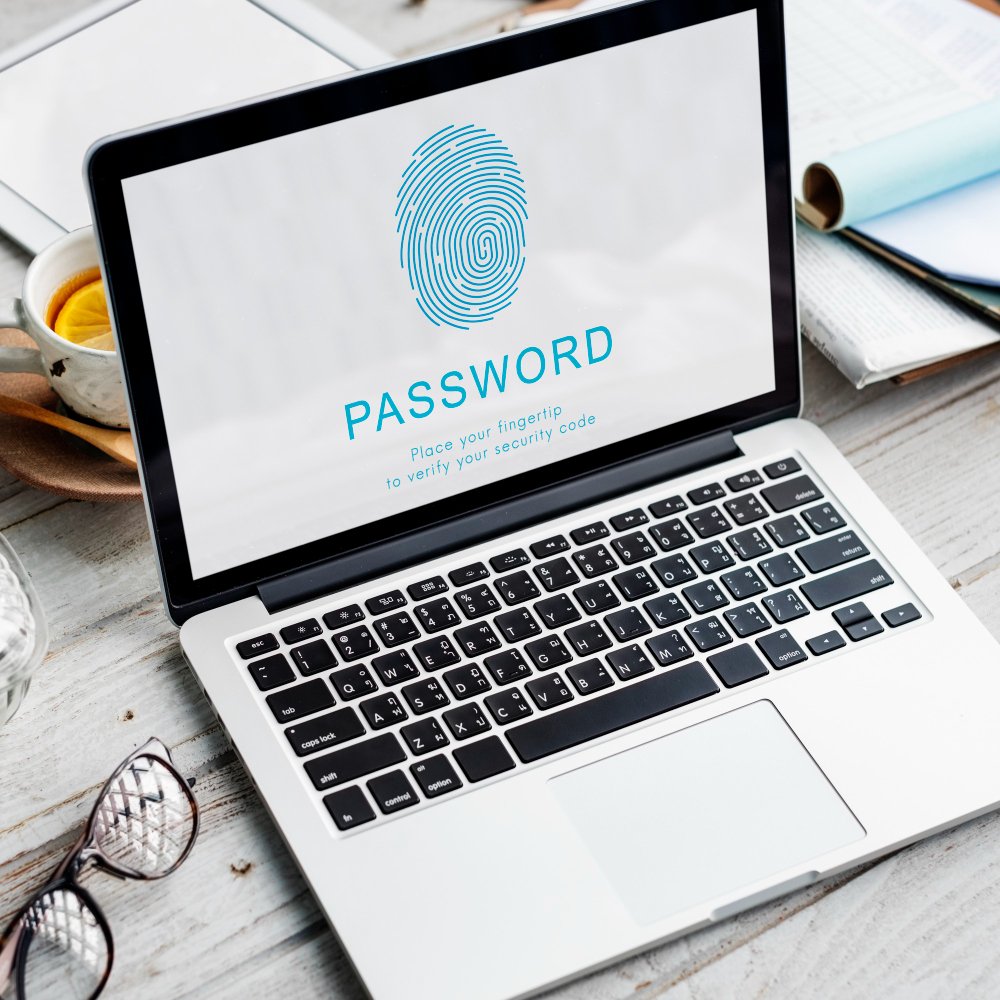
Passwordless authentication is rapidly becoming a preferred security strategy as organizations seek stronger protection against phishing, credential theft, and account compromise. Businesses are moving beyond traditional passwords by adopting authentication methods that rely on biometrics, hardware security keys, passkeys, and mobile device verification to provide secure access to enterprise applications.
Cybersecurity experts have long identified passwords as one of the weakest points in digital security. Weak credentials, password reuse, and phishing attacks continue to account for a significant percentage of security incidents. Passwordless authentication addresses these risks by eliminating the need for employees to create and remember complex passwords while improving the overall user experience.
Technology providers are expanding support for passkeys based on industry standards that enable secure authentication across desktops, smartphones, and cloud applications. These credentials are stored securely on trusted devices and use fingerprint recognition, facial recognition, or PIN verification to confirm a user’s identity without transmitting passwords over the internet.
Businesses across finance, healthcare, education, and government are integrating passwordless authentication with identity and access management platforms to strengthen Zero Trust security strategies. Multi-factor authentication, adaptive access policies, and device trust assessments work together to ensure only authorized users can access sensitive corporate resources.
Organizations are also benefiting from lower IT support costs as password reset requests decline. Employees experience faster logins, reduced authentication friction, and improved productivity while maintaining stronger protection against cyber threats.
Industry analysts expect passwordless authentication adoption to accelerate throughout 2026 as organizations modernize cybersecurity infrastructure. Companies investing in password-free identity solutions are likely to improve security, reduce operational costs, and enhance user confidence in digital workplace technologies.