








One of the most intriguing areas of artificial intelligence is also becoming one of its most secretive.
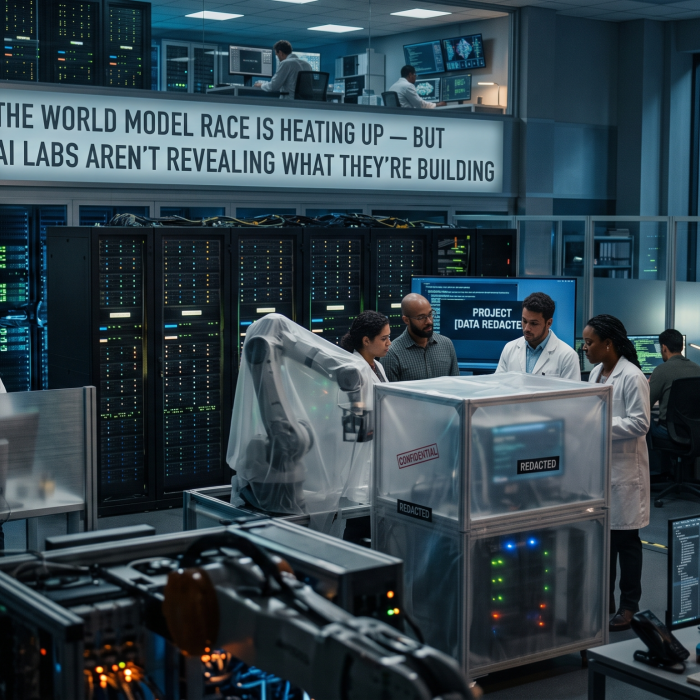
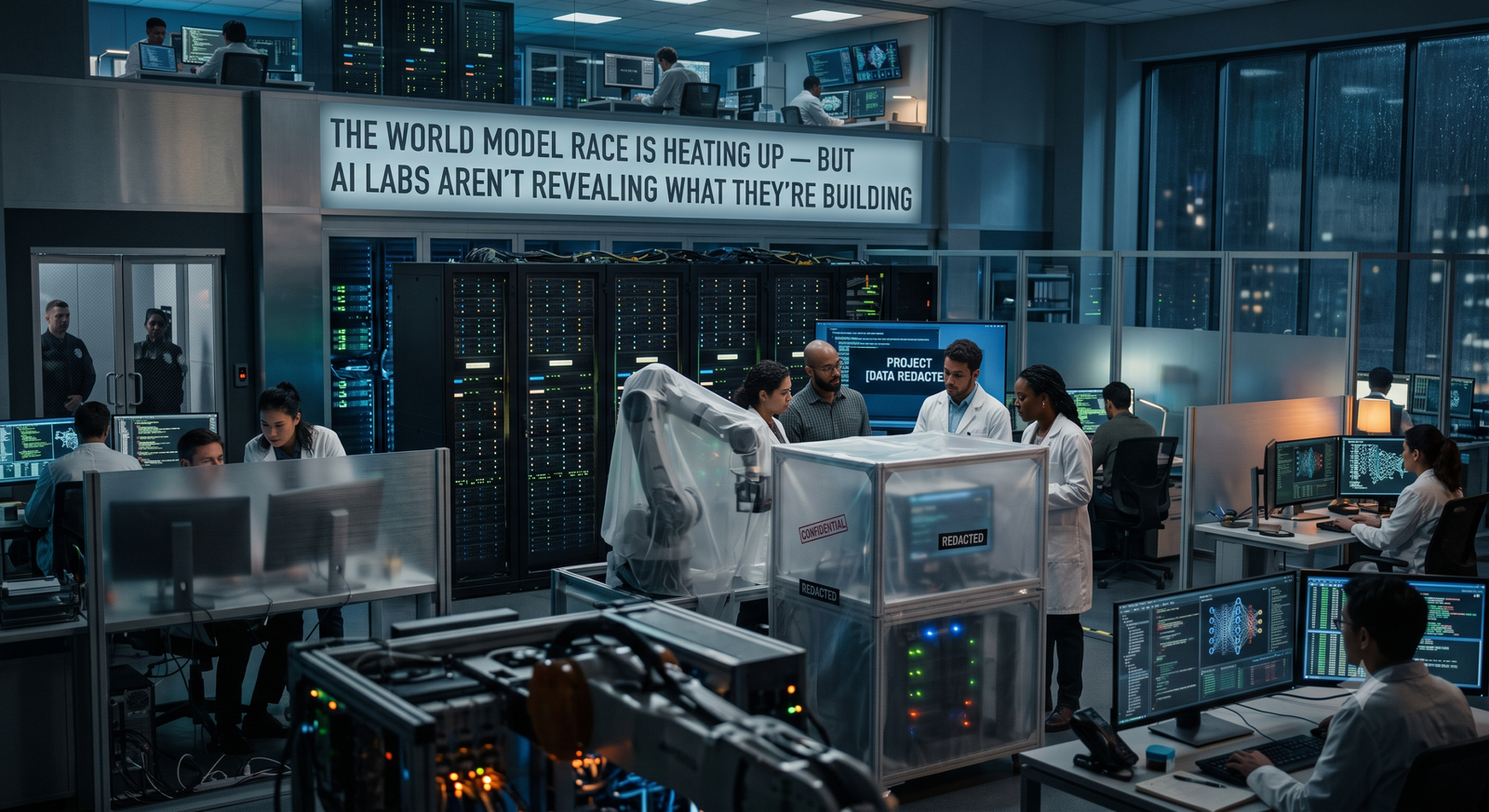
Companies developing world models are attracting major attention and investment, yet many remain surprisingly quiet about what their technology will eventually become.
Two prominent names in the field are Yann LeCun’s AMI Labs and Fei-Fei Li’s World Labs. Both are exploring technology that could fundamentally change how AI understands and interacts with physical environments.
The possibilities range from robotics and autonomous vehicles to video games, healthcare, manufacturing, and interactive digital worlds.
But one question remains difficult to answer:
Where will these companies actually make money?
What Exactly Is a World Model?
At its core, world-model technology is about giving AI something closer to spatial intelligence.
Today’s large language models are primarily designed to understand and generate language. World models aim to understand environments, physical relationships, movement, and how actions affect the world around them.
Think about an autonomous vehicle navigating traffic.
It needs more than image recognition. It must understand where objects are located, predict how they might move, and determine how its own actions could change what happens next.
Similar capabilities could help a humanoid robot move boxes around a warehouse or allow AI to transform video footage into an explorable 3D environment.
That versatility is what makes world models so interesting — and commercially complicated.
AMI Labs Isn’t Revealing Its Product Plans
AMI Labs is still relatively young and remains largely in research and development mode.
Michael Rabbat, the company’s co-founder and VP of World Models, has indicated that AMI isn’t ready to publicly discuss specific products or launch timelines.
The company has already explored areas including manufacturing, biomedicine, robotics, and healthcare AI, suggesting its underlying technology could potentially support very different businesses.
But whether AMI will ultimately concentrate on robotics, healthcare, industrial systems, or something entirely different remains unclear.
And that secrecy may be intentional.
World Labs Is Showing What Could Be Possible
World Labs has provided a clearer demonstration of world-model technology through Marble.
The platform showcases capabilities such as creating explorable environments, supporting digital media production, enabling video-game experiences, and potentially assisting with CGI workflows.
There are also possible robotics applications.
However, these demonstrations still appear to emphasize what the underlying technology can do rather than revealing one definitive commercial direction.
Even companies supplying data to world-model developers don’t always know exactly what their customers are building.
That highlights how closely some labs are guarding their product roadmaps.
Secrecy Could Be a Competitive Strategy
There is a logical reason for staying quiet.
If a world-model company publicly demonstrated a highly promising commercial application — perhaps an advanced humanoid robot system or next-generation Hollywood rendering platform — competitors would immediately know where an attractive market opportunity exists.
Other world-model startups could enter.
Well-funded AI labs could redirect resources toward the same opportunity.
Companies such as OpenAI and Anthropic could potentially become competitors as well.
In a market where enormous amounts of capital remain available for promising AI projects, revealing your strategy too early could effectively provide competitors with a roadmap.
Easy Funding Creates an Interesting Paradox
Generous AI funding gives research labs time to experiment without immediately proving a business model.
But competitors have access to capital too.
That creates an unusual dynamic: funding allows companies to remain secretive for longer, while simultaneously making it easier for rivals to respond once a profitable direction becomes obvious.
The result resembles the “dark forest” concept popularized by science-fiction author Cixin Liu.
When you don’t know who else is hiding nearby, revealing your location can create unnecessary risk.
The World Model Opportunity Is Still Wide Open
World models could eventually become foundational technology for robotics, autonomous transportation, entertainment, industrial automation, healthcare, and other sectors.
The opportunity isn’t the mystery.
The mystery is which application will become commercially important first — and which company has already figured it out.
For now, the leading world-model labs appear comfortable experimenting behind closed doors.
And in an AI industry where competitors can move extraordinarily quickly, keeping your breakthrough application secret may itself be part of the competitive advantage.