








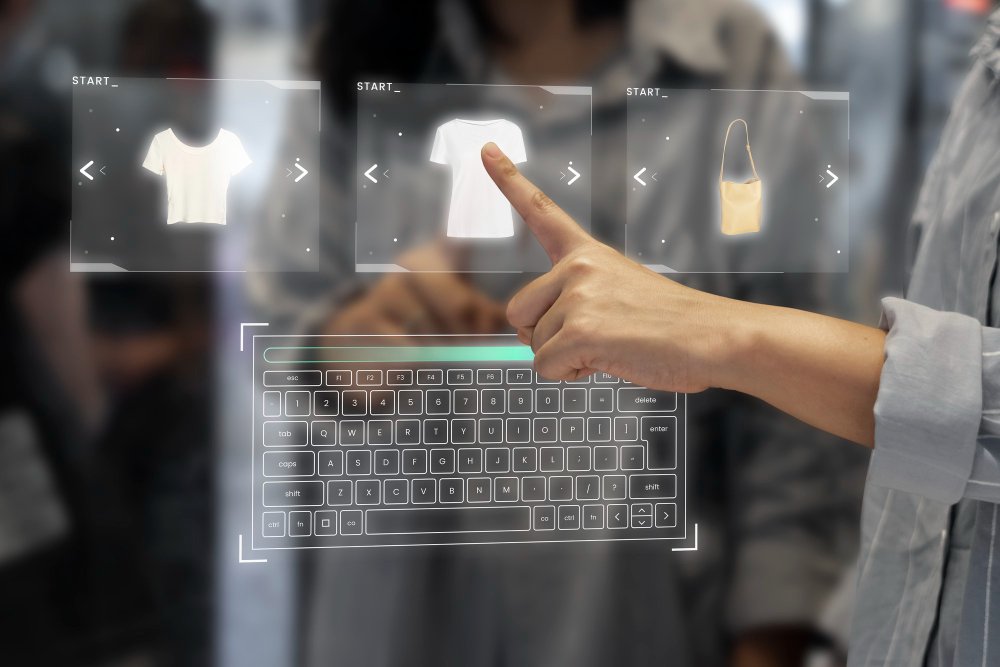
Headless commerce is becoming a preferred architecture for businesses seeking greater flexibility in delivering digital shopping experiences across websites, mobile applications, marketplaces, and emerging digital channels. Unlike traditional e-commerce platforms that tightly connect the front-end user interface with the back-end commerce engine, headless commerce separates these components, allowing businesses to innovate more quickly.
Retailers and B2B organizations are adopting headless commerce platforms to deliver consistent customer experiences while supporting multiple sales channels. Developers can build customized storefronts without affecting inventory management, payment processing, or order fulfillment systems operating behind the scenes.
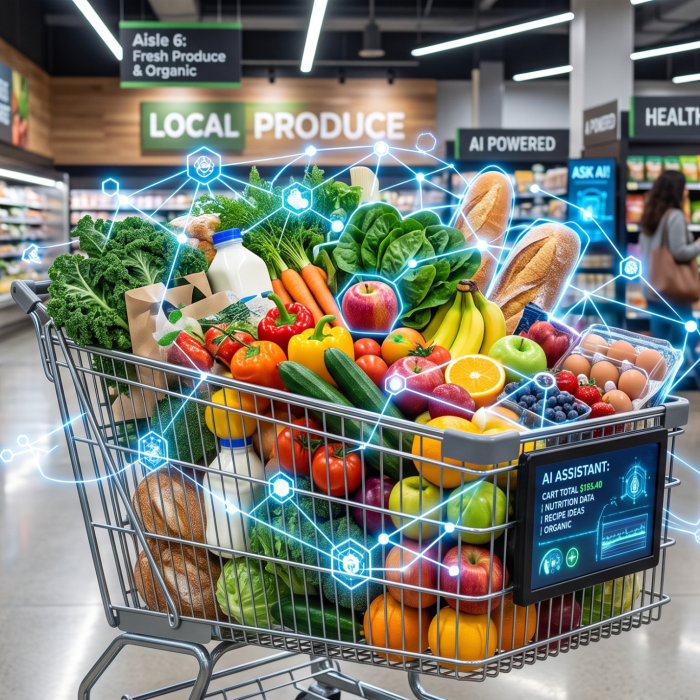
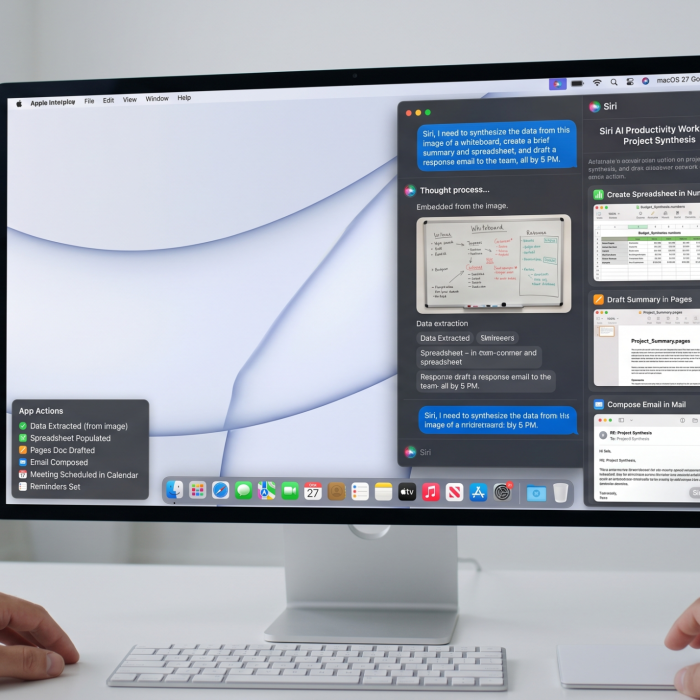
Artificial intelligence is further enhancing headless commerce by providing personalized product recommendations, intelligent search, dynamic pricing, and automated customer support. Businesses can integrate AI services independently without redesigning their entire commerce infrastructure, enabling faster innovation and improved customer engagement.
Cloud-native APIs are central to headless commerce strategies. Open integration capabilities allow organizations to connect content management systems, customer relationship management platforms, marketing automation tools, payment gateways, and logistics providers into a unified digital ecosystem.
Businesses also benefit from faster website performance, simplified updates, and greater scalability during seasonal demand spikes. Marketing teams gain more freedom to launch campaigns, optimize digital experiences, and experiment with new customer engagement strategies without waiting for major platform upgrades.
Industry experts expect headless commerce adoption to continue growing throughout 2026 as businesses prioritize agility and omnichannel customer experiences. Organizations implementing modern commerce architectures are likely to improve digital innovation, strengthen customer satisfaction, and remain competitive in an increasingly connected retail environment.