






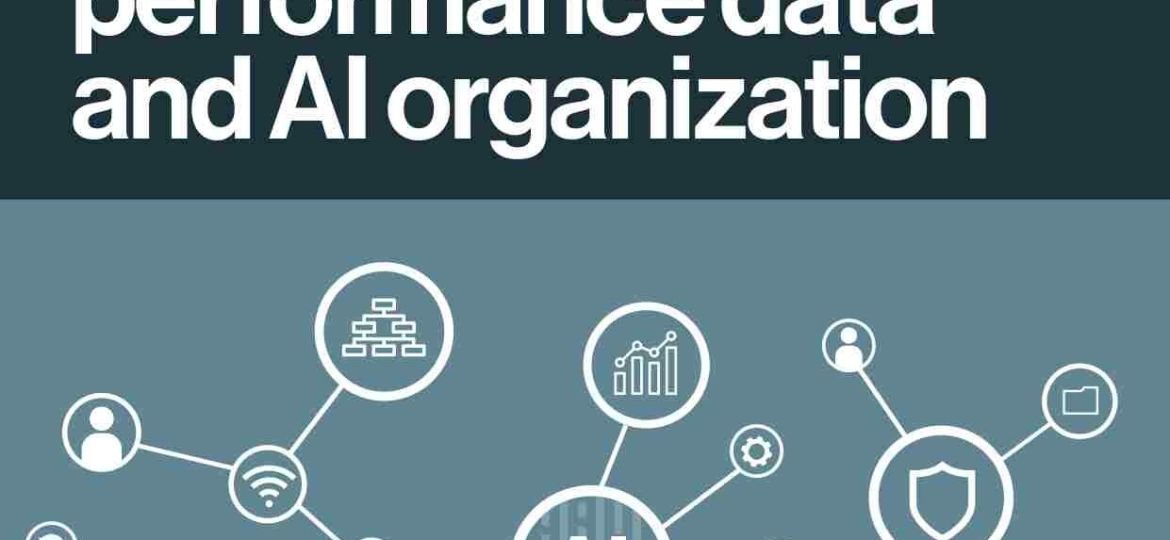



Software vendors are accelerating the shift toward AI-native enterprise applications, marking a significant change in how organizations deploy and manage business technology. Rather than treating artificial intelligence as an optional feature, developers are embedding AI capabilities directly into productivity, customer relationship management, finance, and collaboration platforms.
Modern enterprise software now automates routine administrative work such as document creation, meeting summaries, customer support responses, workflow approvals, and business reporting. These capabilities help employees spend less time on repetitive tasks while allowing organizations to improve efficiency and decision-making.
Businesses are also demanding stronger integration between applications. Enterprise customers increasingly expect software platforms to exchange data seamlessly through APIs, cloud services, and shared analytics environments. Vendors offering connected ecosystems are seeing stronger adoption as organizations pursue unified digital transformation strategies.
Security and responsible AI development remain major priorities. Software providers continue introducing governance controls, role-based permissions, audit logging, and explainable AI features to help customers maintain regulatory compliance and build trust in automated decision-making.
Low-code development tools are expanding alongside AI capabilities, enabling business users to create applications and automate workflows without extensive programming knowledge. This trend is helping organizations accelerate innovation while reducing pressure on software development teams.
Industry analysts expect AI-native software adoption to continue growing as enterprises prioritize operational efficiency and workforce productivity. Organizations investing in intelligent business platforms are likely to gain competitive advantages through faster decision-making, improved customer experiences, and more agile operations in the years ahead.